
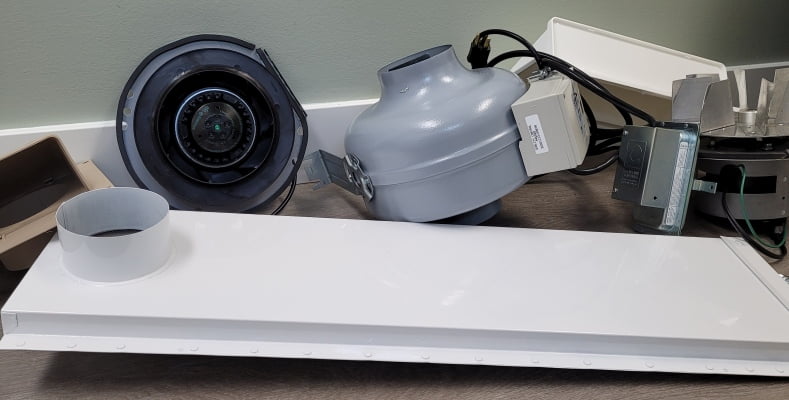
Fans, lint boxes, and flappers
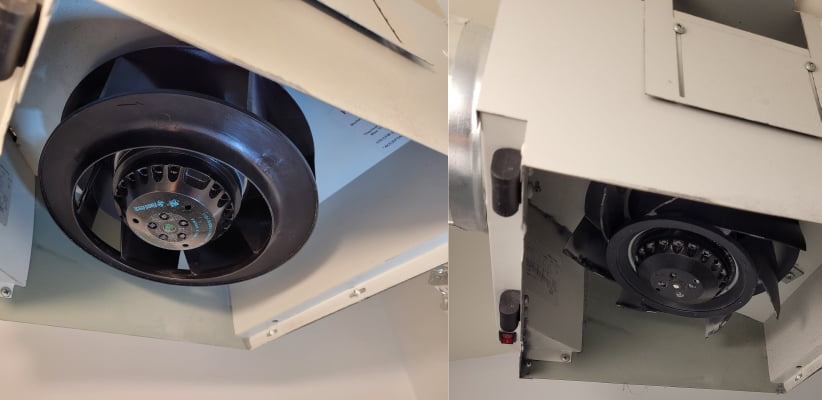
Dryer Booster Fan Motor Replace
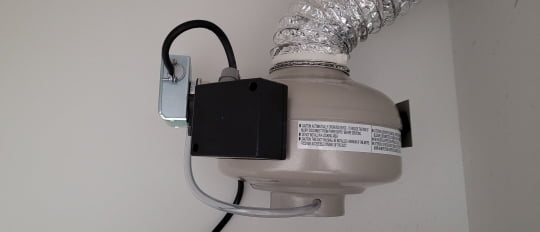
Ortech Dryer Booster Fan

Dryer Booster Fan Installation with Lint Box
SERVICES
Dryer Booster Fans
A dryer booster fan is a type of exhaust fan that is installed in the dryer venting system to increase the airflow through the vent. This fan is usually installed in situations where the length of the venting system is longer than recommended by the dryer manufacturer, or where the venting system has a high number of bends or turns that can reduce the airflow.
The benefits of installing a dryer booster fan include:
1. Faster drying times: A dryer booster fan can increase the airflow through the venting system, which can reduce the amount of time it takes for clothes to dry.
2. Improved efficiency: When the airflow through the venting system is restricted, the dryer has to work harder to dry clothes. Installing a dryer booster fan can improve the efficiency of the dryer and reduce energy usage.
3. Reduced wear and tear on the dryer: When a dryer has to work harder to push air through a clogged vent, it can put extra strain on the machine. Installing a dryer booster fan can reduce this strain and potentially extend the life of the dryer.
4. Improved safety: A clogged dryer vent can increase the risk of a fire. Installing a dryer booster fan can improve the airflow through the venting system and reduce the risk of a fire caused by lint buildup.
Dryer Booster Fan Repair
If your dryer booster fan is not functioning properly, it may need to be repaired or replaced. We are familiar with all models of dryer booster fans. A large supply of parts is kept on hand so we can repair most models of fans quickly. If a fan is not repairable, then we can give options for replacement.
Dryer Lint Boxes
A dryer lint box, also known as a secondary lint trap, is a small device or container located near the dryer’s exhaust vent that captures the lint and debris that accumulates during the drying process. The purpose of the lint box is to prevent the lint from clogging the dryer vent or escaping into the air, which can be a fire hazard and decrease the efficiency of the dryer.
The benefits of a dryer lint box include:
Improved safety: When lint accumulates in the dryer vent, it can create a fire hazard. A lint box captures the lint before it can enter the vent, reducing the risk of a fire.
Better air quality: Lint and debris that escape from the dryer can circulate in the air and be harmful to breathe. A lint box captures the lint and prevents it from entering the air.
Energy savings: A clogged dryer vent can reduce the efficiency of the dryer, increasing the amount of energy needed to dry clothes. A lint box can help prevent clogs, improving the dryer’s efficiency and reducing energy usage.
Longer lifespan for the dryer: When a dryer is forced to work harder due to a clogged vent, it can cause wear and tear on the machine. Using a lint box can help prevent clogs and reduce the strain on the dryer, potentially extending its lifespan.
We prefer to install the new Ecco dryer lint box due to their ease of use and space saving design. If the Ecco lint box won’t work in a particular situation we can also install traditional designed lint boxes.
Flappers and Screens
Flappers for dryer vents are generally considered better than screens for a few reasons:
Better air flow: Flappers allow for better air flow through the dryer vent, which can improve the efficiency of the dryer and reduce the risk of lint buildup. Screens can trap lint and debris, which can impede air flow and reduce efficiency.
More effective at keeping pests out: Flappers create a more secure seal than screens, making it more difficult for pests to enter the home through the dryer vent. Screens may have small openings or gaps that can allow pests to enter.
Less maintenance: Flappers require less maintenance than screens because they do not trap lint or debris. Screens can become clogged with lint and debris, which can require regular cleaning to maintain proper air flow.
Better protection from weather: Flappers can help to prevent rain, snow, and other weather elements from entering the home through the dryer vent. Screens may not provide as much protection from the elements.
Overall, flappers for dryer vents are a more effective and low-maintenance option for protecting the home from pests, weather, and lint buildup than screens. However, it’s important to choose the right type of flapper for your specific dryer vent and to ensure it is installed properly for optimal performance.
RECENT BLOG


CONTACT US
- 604-341-3659
- steve@dryerboosterfan.ca